Echoes of Memory
OUR SEPTEMBER SEASON 2026 TO MAY 2027MADE AS THE YEAR GOES
Defining a Season
We make our season as the year goes. This is living art and research.
Elsewhere a season is announced whole, months in advance, and you choose which events to attend. We spend ours making art and researching together, telling stories and asking questions, and we invite you in as it grows.
Everything runs in parallel. Workshops, talks, movement, research, and rehearsal run alongside each other all year, and each concert shows what the season has made so far.
This Season
This season, we put people together who would not usually be in a room. We use music, digital storytelling, and art to open the conversation. We do not know what will come out of it. Finding out is the work.
This season is based around memory. It is what you can recall and what you cannot. It is what a family agrees happened. It is a piece learned by heart, a recipe nobody wrote down, a city remembering itself. We all experience memory differently, and we may not talk about it, but some aspect of memory—whether positive or not—is always present in our lives.
That is the version of memory this season is about. Something common to every human being and shared by everyone who makes life in this building and in the community around it.
Healing takes more than one shape too, and we are not settled on which shapes matter most. That is part of what the season is for.
Echoes of Memory
An echo is what comes back after the sound has gone. The season takes its name from what stays when memory fades. A voice on a recording, a song someone still knows, the version of a person their family carries.
This is not an abstract subject in Houston.
Alzheimer’s & Dementia, 2023
Those figures count an illness. They also count how many people in this city are already inside the subject without having chosen it.
Memory on Our Own Terms
We are exploring memory on our own terms, one layer out. Our subject is the person standing next to the one who is forgetting. What memory means to a daughter, to a neighbor who has known them thirty years, to those who care for who has begun to forget. Care for those who care.
Art and memory work has a deep body of practice behind it. The World Health Organization’s 2019 evidence review examined arts activities across dementia care and noted that this practice around it goes back decades. Initiatives such as TimeSlips and the Penelope Project, Manchester Camerata’s Music in Mind, Arts & Minds, and the UCSF Memory and Aging Center all work directly with people living with dementia. In Norway, the eight Vardesenteret, centers inside hospitals, are open to patients, relatives, and the bereaved alike, with no appointment and no referral required. Our work sits beside all of theirs, made with the people around the person.
Nothing in the season is designed around a diagnosis. It is open to anyone in the city, whatever their own relationship to memory is.
Memory means different things to different people. We forget things. And we remember things that are gone:
Almost everyone in this city is holding something like that, and most of it never gets said out loud because there is rarely a room where saying it makes sense.
That room is what the season is building, and it is where the four themes come from.
Four Themes
A theme is where a conversation starts. The people in the room decide where it goes.
Connection, belonging, memory, hope, in that order. The season connects, then belongs, then remembers together, and hope is what remembering together gives back. We host a community workshop on each theme from January through April, and the salons and the fellows’ work run through them.
Nobody remembers alone. Most of what you know about your own childhood, you were told. Remembering with someone puts you in contact with them, and contact is where looking out for each other becomes possible.
A memory becomes shared the moment someone else recognizes it. That is when a room full of strangers stops being strangers. A choir stops singing together and the people who sang in it still know their parts. A memory is a way of belonging to a place or to a group. Those can disappear, and the belonging stays.
What we keep and what we lose and who else is holding it. A memory is not kept in storage. You remake it every time you tell it, and it shifts a little each time. Telling one out loud, to people who were not there, is already doing something to it.
What remembering together gives back. An echo needs two things: a sound and something to return it. We spend the season building the second one. Hope is what comes back.
These are the definitions we are starting with. Each one can hold more, and the season is where we find out how much.
What’s On
Six kinds of gathering, running alongside each other from September through May.
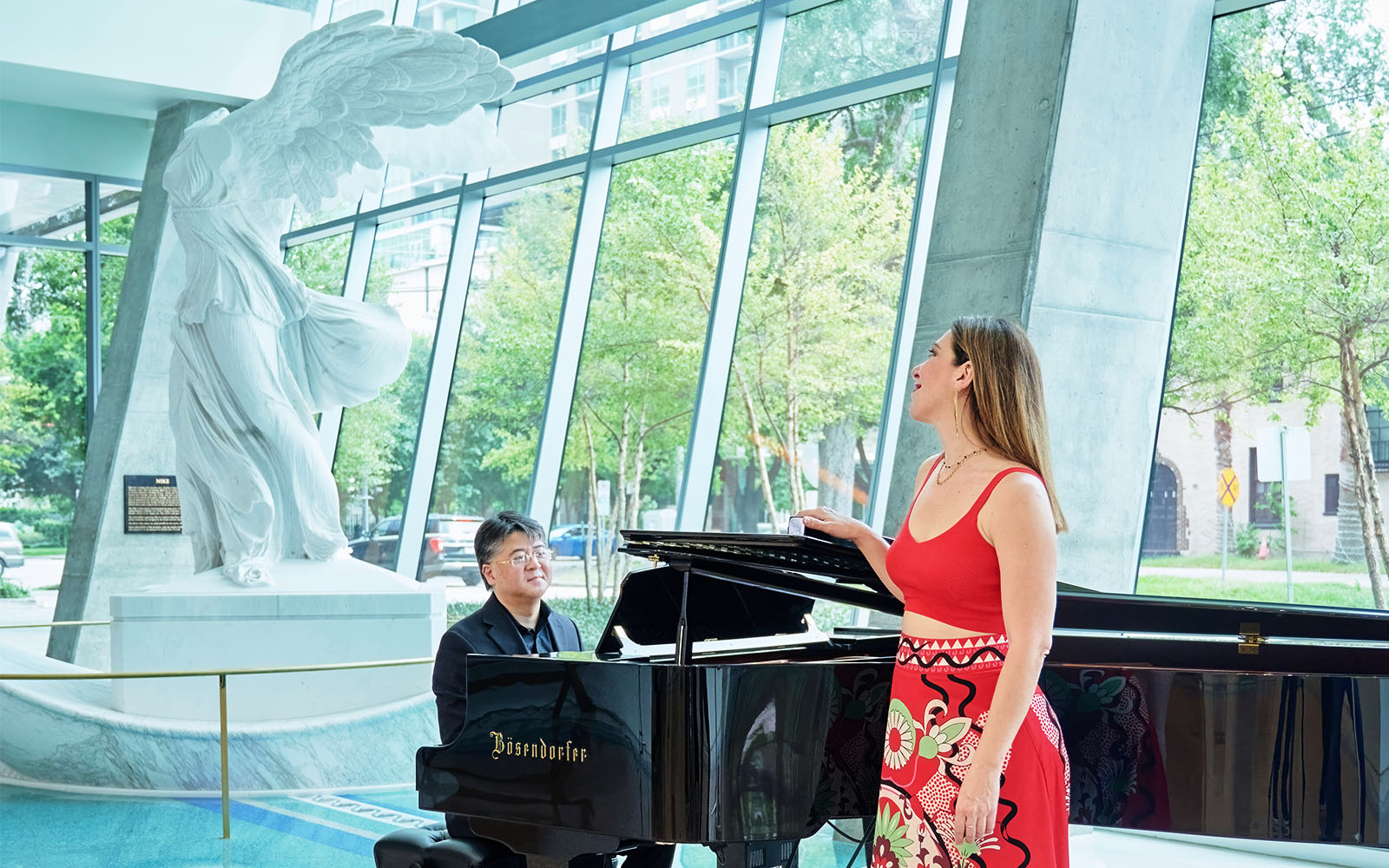
The opening concert on September 12, 2026, and the festival on May 1, 2027, with other concerts throughout the season by the fellows.
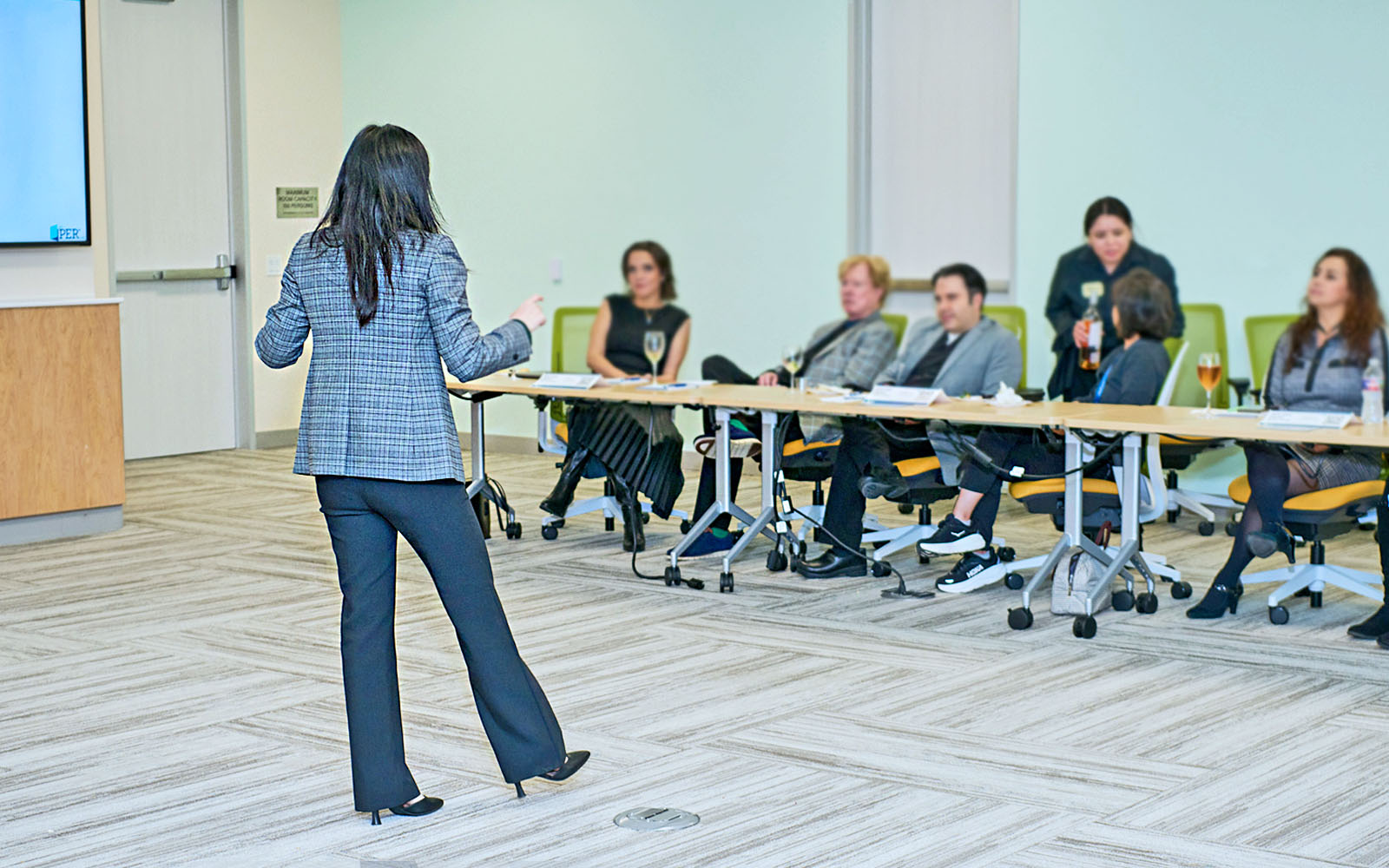
Community workshops on each theme, storytelling workshops, facilitation training.
Wellness at Museo sessions of movement once a month.
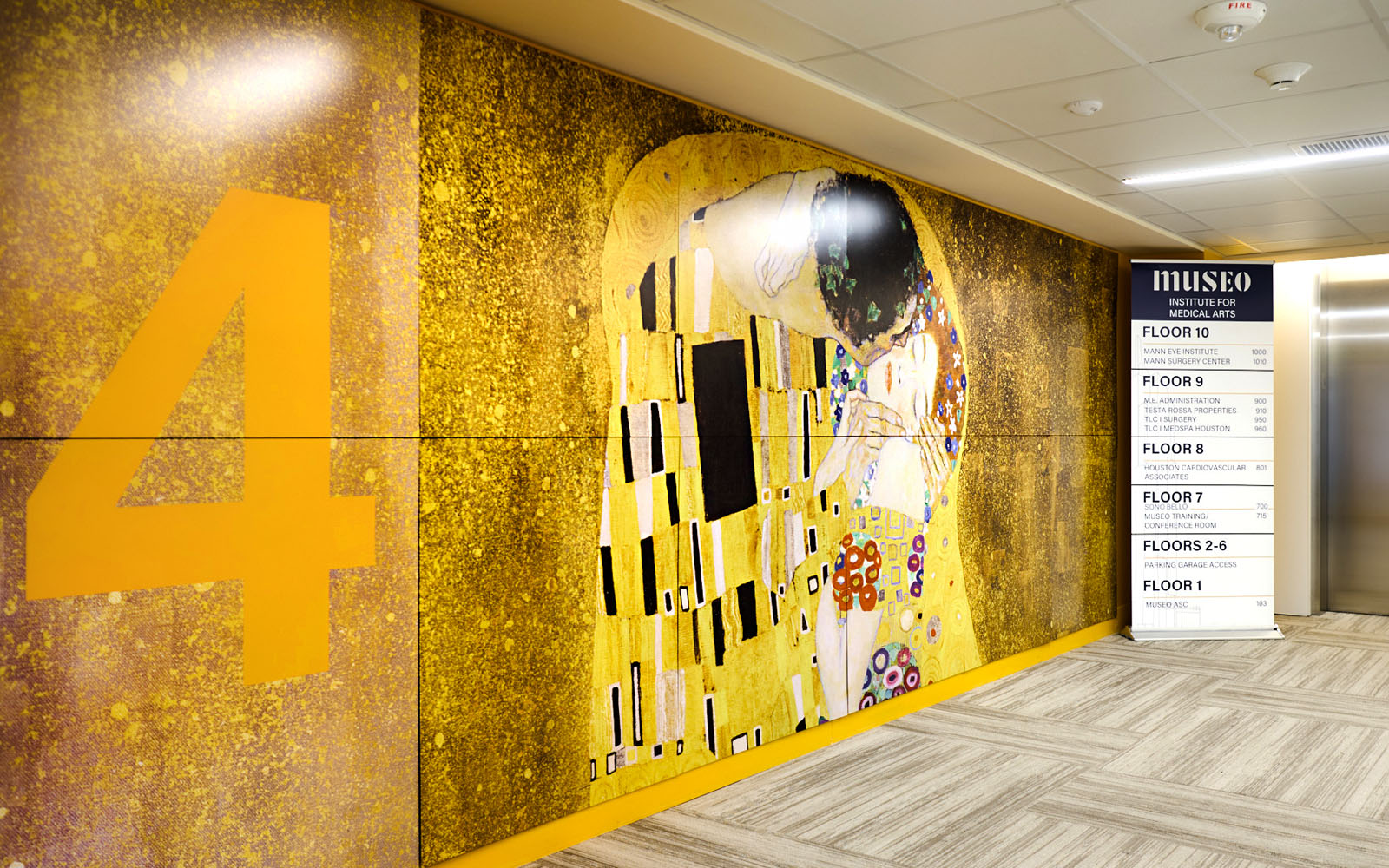
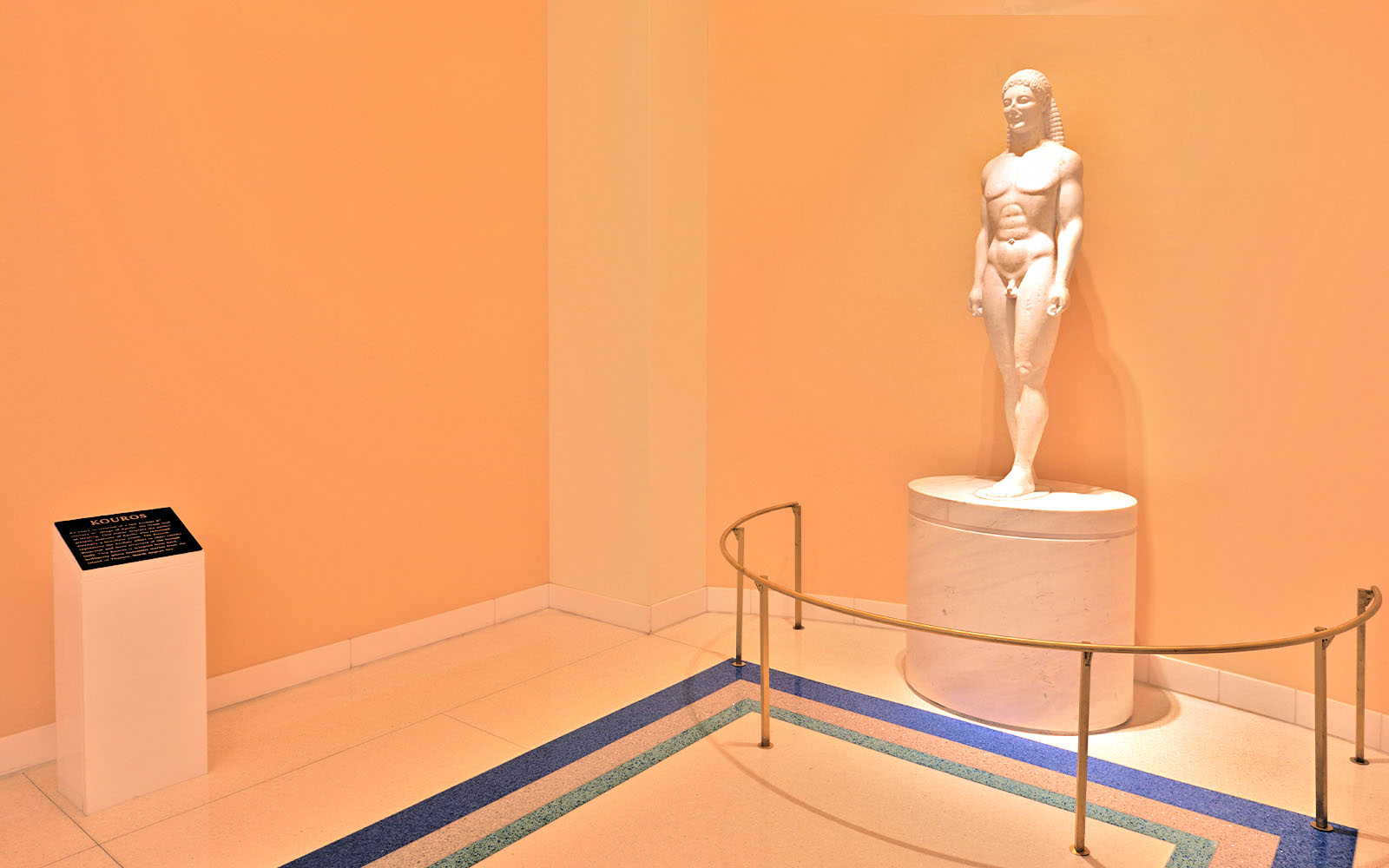
Work by the artists in residence and exhibitions.
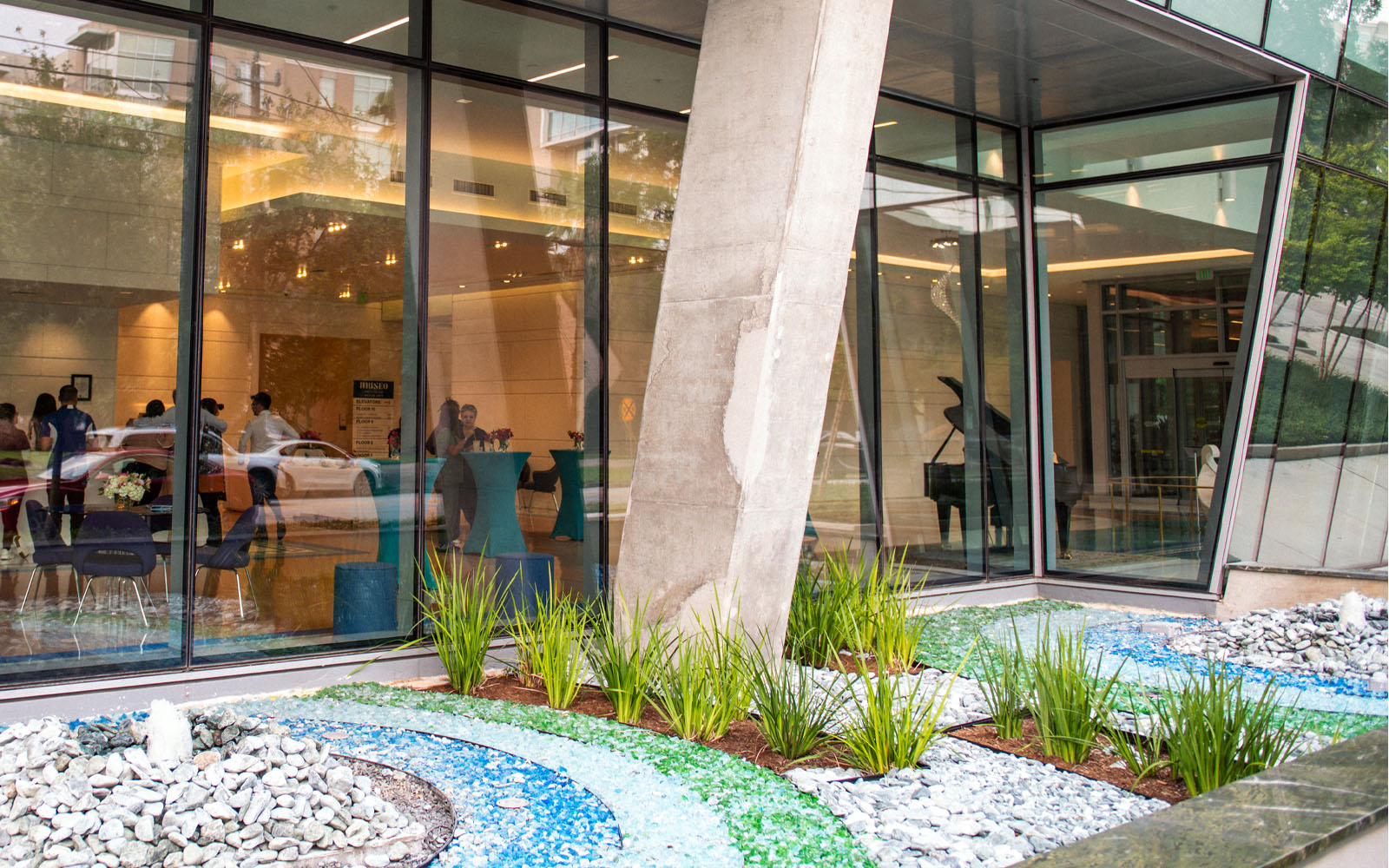
Salon evenings and Science in Context.
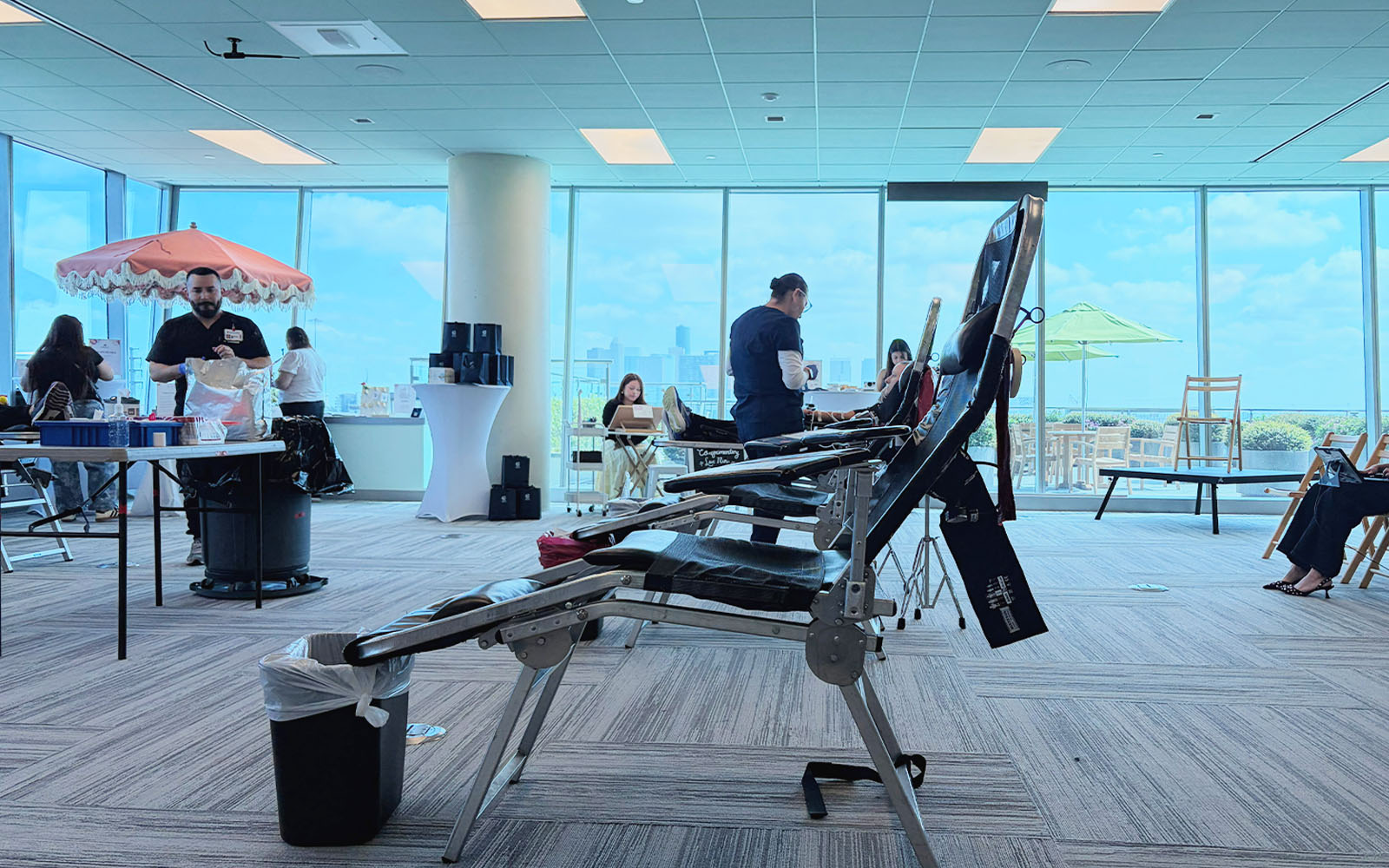
Blood drives, carol singing, and other gatherings and initiatives.
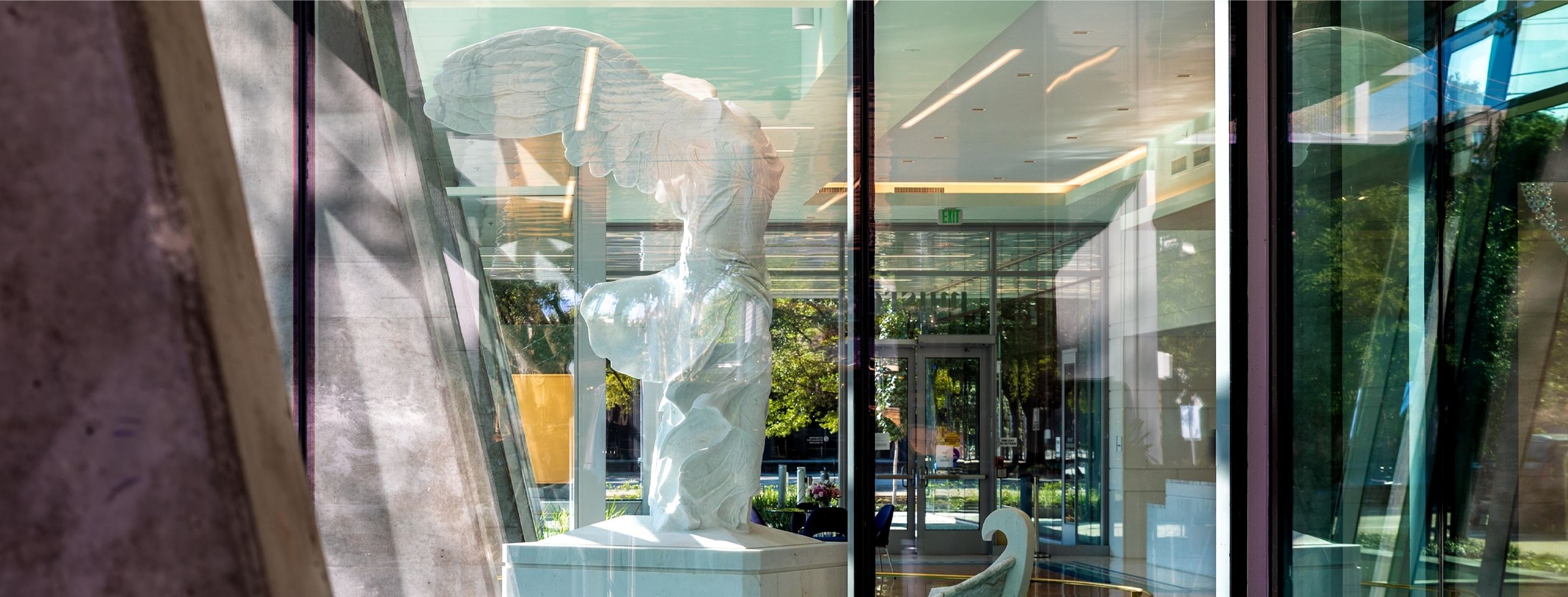
The People of the Season
Eleni Calenos, Greek soprano. Teruhiko Toda, Japanese pianist and conductor. Benjamín Serur, Venezuelan cellist. Each developing work across the season.
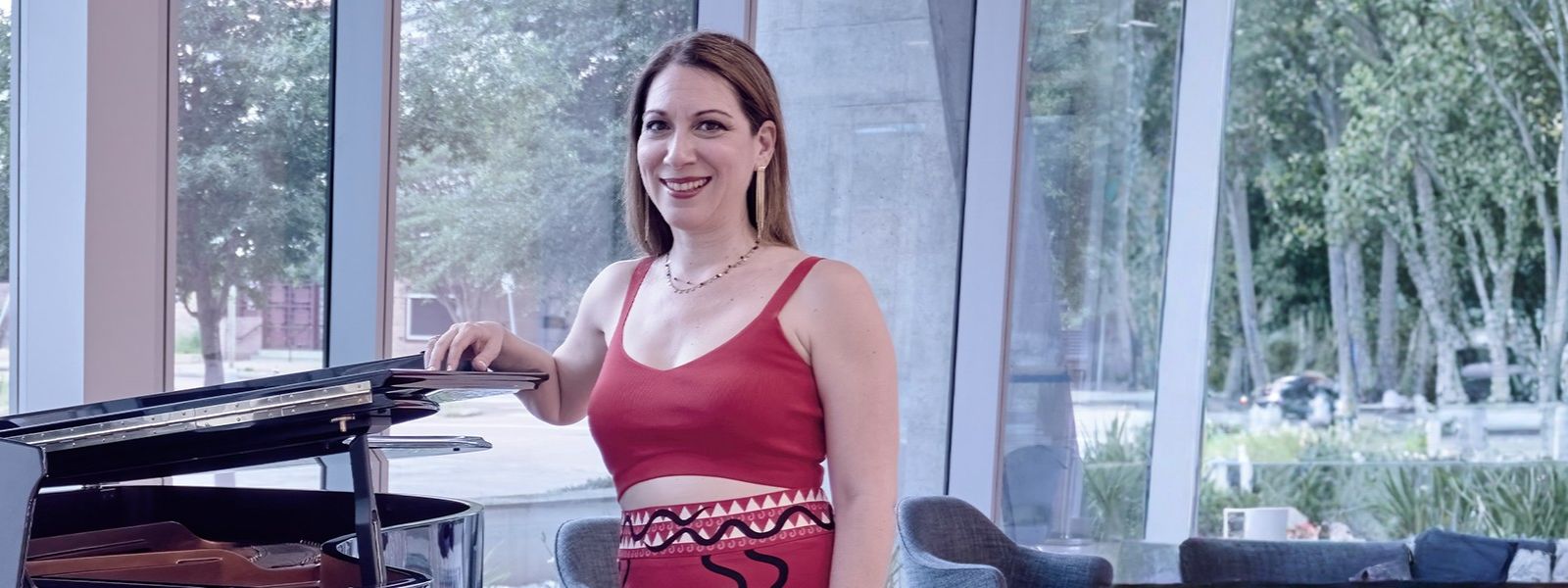
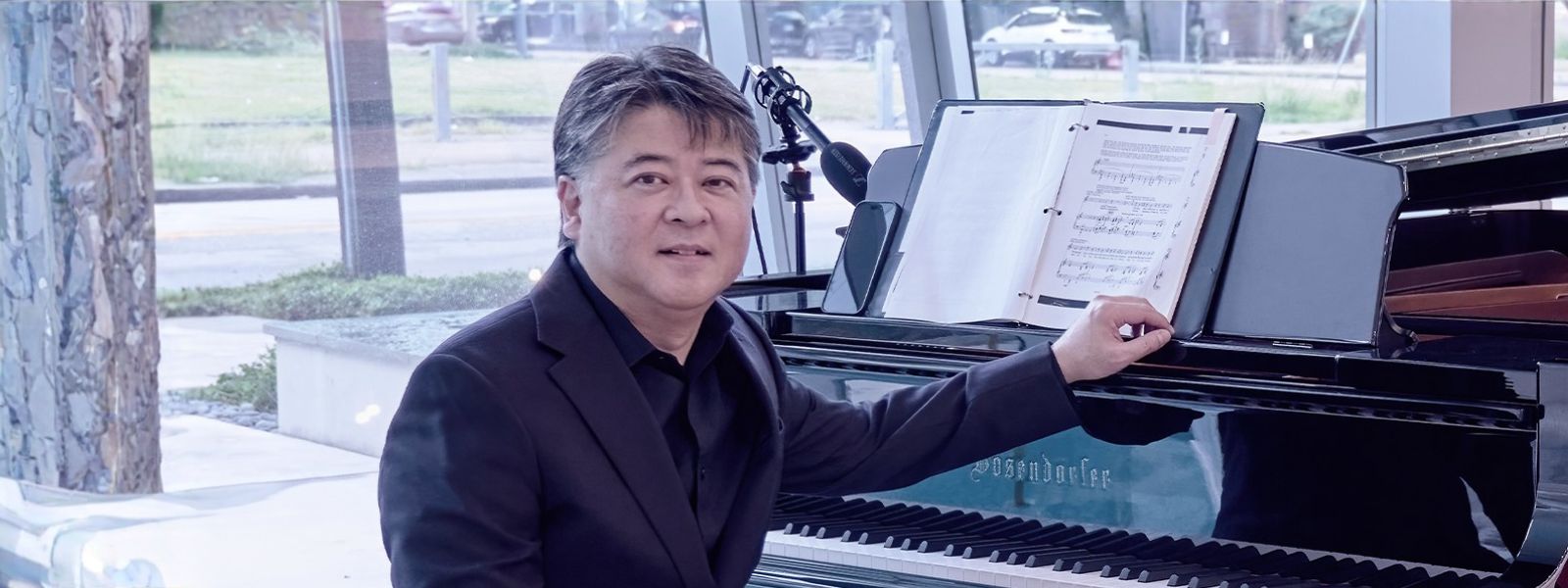
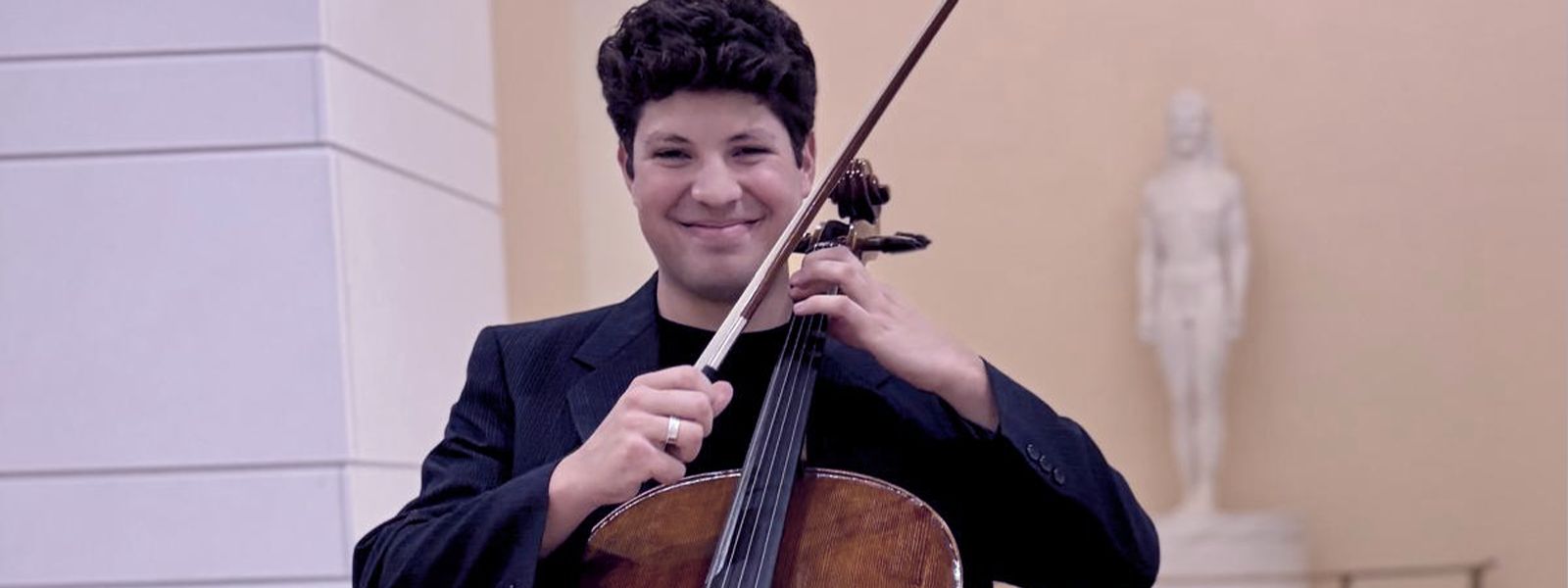
Three musicians and one digital storyteller, paid and mentored across the year.
Horten Barrios-Gómez, Chief Storyteller, who created Experience Museo, with Raina Schnider coordinating the season.
They care for people all day, and the season is made alongside them.
Guests, neighbors, caregivers, building staff, and anyone in the city with a free weeknight.